Voices of Faith at Work in the World
Reading the words of an inspired leader may stir your mind. Hearing that leader speak might ignite your soul.
1,261 Programs Available
Free Unlimited Listening

Reading the words of an inspired leader may stir your mind. Hearing that leader speak might ignite your soul.
1,261 Programs Available
Free Unlimited Listening
The historical religion programs in this collection came from the archives, library shelves, and back rooms of many organizations. Faith groups represented include African Methodist Episcopal, Baptist, Episcopal, Lutheran, Mennonite, Methodist, Presbyterian, Quaker, Roman Catholic, Salvation Army, United Church of Christ, United Methodist, and others. The majority, 1,031 recordings, are from United Methodist national agencies, annual conferences, seminaries, and other sources.
 This SoundTheology online archive is an independent service of Audio-Rescue.com, provided in conjunction with the United Methodist General Commission on Archives and History (GCAH). Many of these programs would have been lost forever if not saved in this project. The originating institutions have made the recordings available for public access to further private study, scholarship, and research. They retain the rights to the recordings.
 This audio collection has been chosen for inclusion in the Library of Congress Radio Preservation Task Force Sound Collection Database.
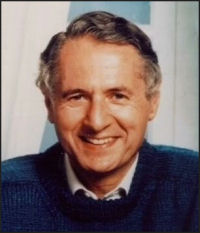 Description: Arthur Caliandro ( 1933-2012) was the senior minister of Marble Collegiate Church from 1984 to 2009, after replacing Dr. Norman Vincent Peale, his mentor. He was known for his progressive initiatives to unite people of all faiths and to welcome gay and lesbian congregants. Caliandro frequently emphasized the spiritual importance of living in the present moment. He often taught that there is nothing one can do about the past; it is "yesterday's garbage" and should not be carried into the present. He reminded audiences that the future is not guaranteed, and worrying about it only creates unnecessary tension. He stressed that today is the only time we actually have to act, change our life's direction, or respond to the Holy Spirit. He often cited, "This is the day the Lord has made. Let us rejoice and be glad in it". Dr. Caliandro was the 46th minister of the Collegiate Church, one of the oldest and most prominent Protestant congregations in North America. Born in Portland, Maine, Dr. Caliandro was the son of a Methodist minister and one of three brothers who all joined the ministry.